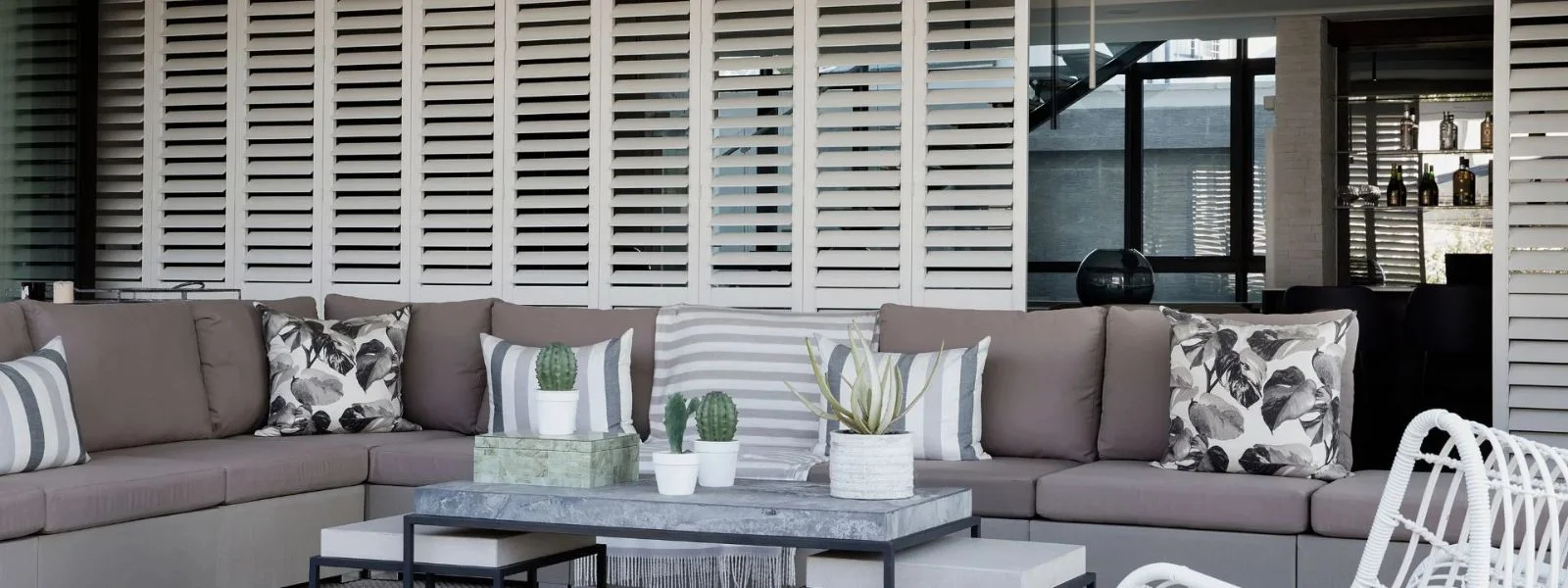


Installing custom shutters in rental properties presents unique challenges that require careful navigation of lease agreements, landlord relationships, and legal considerations whilst maximising property enhancement opportunities. Whether you’re a tenant seeking to improve your living environment or a landlord considering property upgrades, understanding the complexities of shutter installations in rental situations ensures successful outcomes that benefit all parties involved. This comprehensive guide explores the practical, legal, and financial aspects of custom shutter installations in South African rental properties and apartments.
Legal and Lease Considerations
Understanding the legal framework surrounding rental property modifications in South Africa provides the foundation for making informed decisions about custom shutter installations whilst protecting the interests of both tenants and landlords throughout the rental relationship.
Lease agreement clauses typically address property modifications through specific provisions that define what alterations tenants may make without landlord consent and which modifications require written approval. Most standard lease agreements classify permanent fixtures like shutters as structural modifications requiring explicit landlord permission before installation can proceed. Understanding these clauses helps tenants approach landlords appropriately whilst avoiding lease violations that might result in penalties or eviction proceedings.
Landlord consent requirements vary significantly between different lease agreements and landlord preferences, with some property owners welcoming improvements that enhance property values whilst others prefer maintaining complete control over property modifications. Professional legal advice ensures tenant requests comply with lease terms whilst protecting landlord interests through appropriate documentation and installation procedures.
Sectional title considerations apply to apartment complexes and townhouse developments where body corporate approval may be required in addition to landlord consent for external modifications that affect building appearance or structural integrity. These community regulations often include architectural guidelines that must be considered when planning shutter installations that might affect common property or building aesthetics.
Municipal regulations governing rental properties may include specific requirements for window treatments in multi-unit buildings, particularly regarding fire safety, emergency access, and building aesthetics that must be considered during shutter selection and installation planning. Professional consultation ensures installations comply with all applicable regulations whilst avoiding potential legal complications.
Insurance implications affect both tenant and landlord liability when property modifications are undertaken, with installation work potentially affecting coverage terms and claim settlement procedures. Understanding insurance requirements ensures proper coverage continues throughout and after installation whilst protecting both parties from potential liability issues that might arise from modification work.
Restoration obligations typically require tenants to return properties to original condition when leases terminate, making removability and potential damage considerations important factors in shutter selection and installation planning. Understanding restoration requirements helps tenants make informed decisions about modification investments whilst protecting security deposits from potential deductions.
Documentation requirements ensure proper legal protection for both parties through written agreements that specify installation procedures, maintenance responsibilities, and restoration obligations that prevent future disputes about property modifications and associated costs or benefits.
Professional legal consultation provides valuable guidance for complex situations involving valuable properties, extended lease terms, or unusual circumstances that might require specialised legal documentation or negotiation strategies that protect all parties’ interests effectively.
Temporary vs. Permanent Fixtures
The distinction between temporary and permanent installations significantly affects landlord approval requirements, installation costs, and future flexibility whilst influencing the overall value proposition of shutter investments in rental situations.
Permanent installations involve mounting shutters directly to window frames or surrounding masonry through drilling and hardware attachment that creates lasting modifications to property structure. These installations typically require explicit landlord consent whilst providing superior functionality and aesthetic integration that justifies their permanent nature through enhanced performance and durability.
Removable mounting systems utilise clamps, brackets, or tension mechanisms that attach shutters without drilling or permanent modification to property structure. These systems allow shutter removal without property damage whilst potentially requiring landlord consent depending on lease terms and installation methods that might affect property appearance or function.
Damage considerations differ significantly between installation methods, with permanent mounting creating holes and potential surface damage that must be repaired during property restoration whilst removable systems typically leave minimal or no evidence of installation when properly removed by experienced installers.
Performance differences between temporary and permanent installations affect functionality, security, and aesthetic appeal whilst influencing overall satisfaction with shutter investments. Permanent installations typically provide superior operation, weather sealing, and security benefits whilst temporary systems may compromise some performance characteristics to achieve removability.
Cost implications vary between installation types, with removable systems often requiring specialised hardware and installation techniques that increase initial costs whilst potentially reducing restoration expenses when leases terminate. Understanding total cost implications helps tenants make informed decisions about installation types that provide optimal value for their specific situations.
Professional assessment evaluates specific property characteristics and tenant requirements to recommend installation approaches that balance performance, removability, and landlord acceptance whilst ensuring optimal value for shutter investments in rental situations.
Hybrid approaches combine elements of permanent and temporary installation to provide enhanced performance whilst maintaining removability through carefully planned mounting strategies that minimise property modification whilst maximising shutter functionality and aesthetic appeal.
Landlord preferences often influence installation method selection, with some property owners preferring removable systems that avoid property modification whilst others welcome permanent installations that enhance property values through quality improvements that benefit future tenants.
Best Types of Shutters for Rentals
Selecting appropriate shutter types for rental applications requires balancing functionality, removability, cost considerations, and landlord acceptance whilst ensuring installations provide satisfactory performance throughout rental periods.
Aluminium shutters often represent optimal choices for rental applications due to their durability, removability potential, and resistance to damage that might occur during installation or removal processes. The lightweight nature of quality aluminium shutters reduces mounting loads whilst their corrosion resistance ensures appearance maintenance throughout rental periods without requiring intensive maintenance attention.
PVC shutters provide cost-effective options for budget-conscious tenants whilst offering good durability and moisture resistance that performs well in rental situations where maintenance attention might be limited. The lightweight characteristics of PVC shutters make them suitable for removable installation systems whilst their affordability makes potential replacement costs more manageable if damage occurs.
Interior shutters generally receive easier landlord approval compared to exterior installations that affect building appearance and structural integrity whilst providing excellent functionality for privacy, light control, and energy efficiency that enhances rental property comfort without external modification concerns.
Standard size availability makes some shutter types more suitable for rental applications where custom manufacturing costs might not be justified for temporary installations. Selecting shutters with standard dimensions can reduce costs whilst potentially improving removability and future reuse possibilities in different rental properties.
Modular systems allow shutters to be reconfigured for different window sizes and configurations that might be encountered in future rental properties, maximising investment value through reusability that justifies higher initial costs through extended use across multiple properties.
Professional rental-specific products designed for temporary installation provide optimal solutions for rental situations through specialised mounting systems and construction techniques that balance performance with removability whilst addressing common rental property challenges and landlord concerns.
Security considerations remain important in rental situations where tenants may have heightened security concerns due to transient neighbourhood populations and potentially less comprehensive building security compared to owner-occupied properties. Selecting shutters with appropriate security features provides protection whilst maintaining removability.
Maintenance simplicity becomes crucial in rental situations where tenants may not invest significant time or resources in property maintenance, making low-maintenance shutter options more suitable for rental applications that require minimal ongoing attention to maintain optimal performance and appearance.
Easy Maintenance for Tenants
Rental situations typically require window treatments that provide excellent performance with minimal maintenance attention whilst being forgiving of potential neglect or inexperienced care that might occur in temporary living situations.
Cleaning simplicity ensures tenants can maintain shutter appearance without specialised knowledge or equipment whilst preventing accumulation of dirt and grime that might affect operation or appearance over time. Shutters with smooth, non-porous surfaces resist staining and simplify cleaning procedures that busy tenants can manage easily.
Damage resistance protects shutter investments from common rental property risks including moving damage, party incidents, and general wear that might occur in properties with changing occupants and potentially less careful treatment than owner-occupied homes receive.
Operational durability ensures shutters continue functioning properly despite potentially inconsistent maintenance attention whilst providing reliable performance that doesn’t deteriorate rapidly when routine maintenance is neglected or performed incorrectly by inexperienced users.
Repair accessibility allows tenants to address minor issues quickly and economically without requiring specialised service calls that might be expensive or difficult to arrange in rental situations where service provider relationships may not be established.
Weather resistance becomes particularly important in rental situations where maintenance attention might be inconsistent whilst properties may lack the comprehensive weather protection and maintenance that owner-occupied properties typically receive through attentive homeowner care.
Professional maintenance services can provide periodic attention that preserves shutter condition and operation whilst relieving tenants of maintenance responsibility that they might not be equipped to handle properly. Service contracts can be structured to benefit both tenants and landlords through shared cost arrangements.
Documentation of maintenance procedures helps tenants understand proper care requirements whilst providing landlords with confidence that their property enhancements receive appropriate attention that preserves their investment value throughout rental periods.
Preventive care guidance helps tenants avoid common problems that might affect shutter performance or appearance whilst providing simple procedures that maintain shutter condition without requiring significant time investment or specialised knowledge that might be unrealistic in rental situations.
Landlord Benefits
Property owners can realise significant advantages through strategic shutter installations that enhance rental property appeal, increase rental income potential, and improve long-term property values whilst reducing maintenance requirements and tenant turnover costs.
Rental income enhancement occurs when quality improvements like custom shutters justify higher rental rates that reflect enhanced property appeal and functionality whilst attracting quality tenants willing to pay premium rates for superior accommodation that meets their comfort and aesthetic expectations.
Tenant retention benefits result from improved property comfort and appeal that reduces turnover rates whilst increasing lease renewal probability through enhanced satisfaction that makes tenants reluctant to relocate to properties with inferior amenities and comfort features.
Property value increases from permanent improvements like quality shutters enhance long-term investment returns whilst providing tax advantages through depreciation allowances that offset installation costs over time. Professional appraisals often reflect shutter installations through increased property valuations that support refinancing and resale strategies.
Marketing advantages help rental properties stand out in competitive markets through distinctive features that attract attention whilst demonstrating landlord commitment to quality that appeals to discriminating tenants seeking superior accommodation rather than basic shelter.
Energy efficiency improvements from quality shutters reduce utility costs in situations where landlords pay utilities whilst improving tenant satisfaction through enhanced comfort that supports positive landlord-tenant relationships and property reputation.
Maintenance reduction occurs when quality shutters replace problematic window treatments like curtains that require frequent cleaning and replacement whilst potentially causing window and wall damage that creates ongoing repair expenses for property owners.
Security enhancement through quality shutters provides additional property protection whilst potentially qualifying for insurance premium reductions that provide ongoing cost savings whilst improving overall property security and neighbourhood appeal.
Professional property management advantages result from quality improvements that reduce management time and attention required whilst improving property reputation that supports easier leasing and higher tenant quality that reduces management challenges and costs.
Competitive positioning through distinctive improvements helps properties attract and retain quality tenants whilst commanding premium rental rates that justify improvement investments through enhanced income generation and reduced vacancy periods.
Long-term Investment Strategy
Developing comprehensive strategies for shutter installations in rental portfolios requires understanding market dynamics, tenant preferences, and financial implications that affect investment decisions and long-term property management success.
Portfolio standardisation through consistent shutter installations across multiple properties creates economies of scale in purchasing, installation, and maintenance whilst establishing recognisable quality standards that enhance landlord reputation and property marketing effectiveness.
Tenant demographics influence shutter selection and installation strategies, with professional tenants typically appreciating quality improvements whilst families might prioritise child safety features and durability that withstand family living demands.
Market positioning through quality improvements helps properties compete effectively against new developments whilst attracting tenants seeking move-in ready properties with modern amenities and comfort features that justify premium rental rates.
Depreciation strategies maximise tax advantages through appropriate classification and timing of shutter installations whilst coordinating with other property improvements to optimise overall tax benefits and cash flow management throughout property ownership periods.
Exit strategy considerations include how property improvements affect resale values and buyer appeal whilst ensuring improvements align with target buyer demographics and market expectations for rental property investments.
Professional property management integration ensures shutter installations align with overall property management strategies whilst providing systems and procedures that maintain improvement benefits throughout property ownership and management transitions.
Financing options for property improvements may include refinancing strategies that capture increased property values whilst spreading improvement costs over extended periods that align with property cash flow and investment return expectations.
Market timing considerations affect optimal installation timing to maximise rental income benefits whilst coordinating with lease renewals, property marketing periods, and seasonal rental demand patterns that influence tenant attraction and retention strategies.

Frequently Asked Questions
Will installing shutters void my lease?
Installing shutters will not automatically void your lease, but it may violate lease terms if done without proper landlord consent where modifications are restricted, making communication and documentation essential for protecting your tenancy rights. Most standard residential leases in South Africa include clauses requiring landlord approval for structural modifications or permanent fixtures, which typically include shutter installations that attach to window frames or surrounding structures. Violating these clauses can result in penalties, required removal at tenant expense, or potentially lease termination in severe cases, making advance approval crucial for protecting your housing security. However, many landlords welcome improvements that enhance their property values, particularly when tenants offer to share costs or leave installations as property enhancements at lease termination. Professional legal advice helps interpret specific lease language whilst providing strategies for approaching landlords effectively to secure approval for beneficial property improvements. Documenting all communications and agreements about modifications protects both parties whilst ensuring clarity about responsibilities, costs, and restoration requirements that prevent future disputes. The key lies in transparent communication with landlords before installation begins, presenting the benefits of shutter installations whilst addressing any concerns about property modification or potential damage that might affect landlord approval decisions. Many successful shutter installations in rental properties result from collaborative approaches where tenants and landlords work together to enhance properties whilst protecting everyone’s interests through appropriate agreements and professional installation procedures.
Can I remove shutters when moving out?
Yes, shutters can typically be removed when moving out, though the feasibility and cost-effectiveness depend on installation methods, lease agreements, and potential property damage that might occur during removal processes. Shutters installed with removable mounting systems specifically designed for rental applications can usually be uninstalled without property damage whilst preserving shutters for use in future properties or resale to recover investment costs. However, permanent installations involving drilling into window frames or masonry create mounting holes that require professional repair to restore original property condition, potentially making removal more expensive than leaving shutters as property improvements. Lease agreements typically specify restoration requirements that determine whether tenants must remove modifications and repair any resulting damage or whether landlords accept permanent improvements as beneficial property enhancements. Professional installation documentation helps establish proper removal procedures whilst providing guidance about potential restoration costs that might affect removal decisions. Damage deposits may be affected by removal quality, making professional uninstallation advisable to avoid charges for improper restoration or property damage that might exceed the value of removed shutters. Some tenants negotiate agreements where landlords purchase installed shutters at depreciated values rather than requiring removal, providing recovery of some investment whilst avoiding removal and restoration costs. The decision to remove shutters should consider removal costs, transportation requirements, storage needs, and reuse potential in future properties against the investment recovery possible through professional uninstallation procedures.
Do landlords ever pay for shutter installations?
Yes, many landlords contribute to or fully fund shutter installations when they recognise the property value enhancement and rental income benefits that quality improvements provide, particularly in competitive rental markets where property differentiation becomes crucial for attracting quality tenants. Progressive landlords often welcome tenant-initiated improvement discussions that demonstrate property enhancement opportunities whilst providing cost-sharing arrangements that benefit both parties through improved property values and enhanced living conditions. Landlords may offer to pay installation costs in exchange for longer lease commitments that provide stability whilst ensuring they capture the full benefits of property improvements through extended tenant relationships. Some property owners budget for ongoing improvements and may accelerate shutter installations when tenants express interest whilst providing professional-quality installations that maintain property standards and warranty coverage. Negotiation strategies that emphasise mutual benefits often succeed, with tenants potentially contributing to costs whilst landlords handle professional installation coordination and maintain ownership of improvements that enhance long-term property values. Property management companies increasingly recommend strategic improvements like shutters that reduce maintenance costs whilst improving tenant satisfaction and retention rates that benefit overall property investment performance. Landlords managing multiple properties may recognise portfolio-wide benefits from consistent improvements whilst achieving economies of scale through coordinated installations across several properties. The key lies in presenting professional proposals that demonstrate financial benefits for landlords whilst addressing any concerns about installation quality, property integration, and long-term value enhancement that make improvement investments attractive for property owners.
Are there financing options for rental installations?
Yes, several financing options exist for rental shutter installations, though the temporary nature of rental situations requires careful evaluation of costs versus benefits and repayment terms that align with uncertain residency duration. Personal loans provide flexible financing that allows tenants to spread installation costs over manageable periods whilst maintaining ownership of shutters that can be removed and reused in future properties, making this option suitable for tenants with stable income and planned extended residency. Some shutter suppliers offer payment plans specifically designed for rental situations, with terms that recognise the temporary nature of installations whilst providing affordable monthly payments that make quality shutters accessible to tenants with budget constraints. Credit card financing may provide convenient short-term funding for installations, particularly when promotional interest rates are available, though careful planning ensures repayment completion before lease termination to avoid carrying costs that exceed the value of temporary improvements. Rent-to-own arrangements with some suppliers allow tenants to make monthly payments whilst using shutters, with ownership transferring after completion of payment schedules that may align better with rental timeframes than traditional purchase financing. Landlord cost-sharing arrangements create informal financing where tenants and property owners split costs through various arrangements including rent reductions, security deposit applications, or formal improvement agreements that spread costs between parties whilst providing mutual benefits. Professional consultation helps evaluate financing options against residency plans, installation costs, and removal possibilities to ensure financing decisions provide optimal value whilst avoiding financial commitments that exceed the practical benefits of temporary improvements in rental situations.
How do I approach my landlord about modifications?
Approaching your landlord about shutter modifications requires professional presentation that demonstrates mutual benefits whilst addressing potential concerns through comprehensive planning and clear communication that builds confidence in your proposal. Begin by researching your specific lease terms regarding modifications whilst preparing detailed information about proposed shutters including specifications, installation methods, costs, and potential property value benefits that position your request as a property enhancement opportunity rather than merely a personal preference. Professional presentation materials including manufacturer information, installer credentials, insurance documentation, and visual examples help demonstrate the quality and professionalism of your proposed improvement whilst addressing common landlord concerns about workmanship and potential property damage. Emphasising benefits to the landlord including increased property value, enhanced rental appeal, energy efficiency improvements, and potential insurance benefits creates value propositions that make approval more likely whilst demonstrating your consideration for their property investment interests. Offering to share costs or handle all expenses while leaving improvements as property enhancements can make proposals more attractive whilst demonstrating your commitment to property enhancement rather than temporary personal benefit. Timing your approach strategically during positive landlord relationships or lease renewal discussions can improve reception whilst avoiding periods when landlords might be dealing with property problems or difficult tenant situations that affect their receptiveness to modification requests. Professional references including contractor credentials, insurance coverage, and previous work examples provide reassurance about installation quality whilst addressing concerns about potential damage or substandard workmanship that might affect property values. Following up written requests with respectful persistence demonstrates serious commitment whilst maintaining positive relationships that support approval decisions and future rental interactions.
Conclusion
Custom shutter installations in rental properties represent viable opportunities for enhancing living environments whilst providing property value benefits when approached professionally with proper planning, landlord communication, and appropriate installation methods. The key to success lies in understanding legal requirements, lease obligations, and landlord perspectives whilst selecting appropriate shutter types and installation methods that balance performance with rental-specific requirements.
Temporary installation options provide flexibility for tenants whilst permanent installations offer superior performance and property value enhancement that appeals to progressive landlords seeking property improvements. The choice between approaches depends on specific circumstances including lease terms, residency duration, and landlord relationships that affect feasibility and cost-effectiveness.
Professional consultation ensures installations comply with all legal requirements whilst providing optimal performance and landlord acceptance through expert planning and execution that protects all parties’ interests throughout rental relationships.
The mutual benefits possible through collaborative approaches between tenants and landlords create win-win situations that enhance properties whilst improving living conditions through quality improvements that justify the effort and investment required for successful installations.
Careful planning, professional execution, and clear communication provide the foundation for successful rental property modifications that enhance both tenant satisfaction and property values whilst maintaining positive relationships that support ongoing rental success.
For more information about Shutters and Blinds services at American Shutters and Security, check them out below: