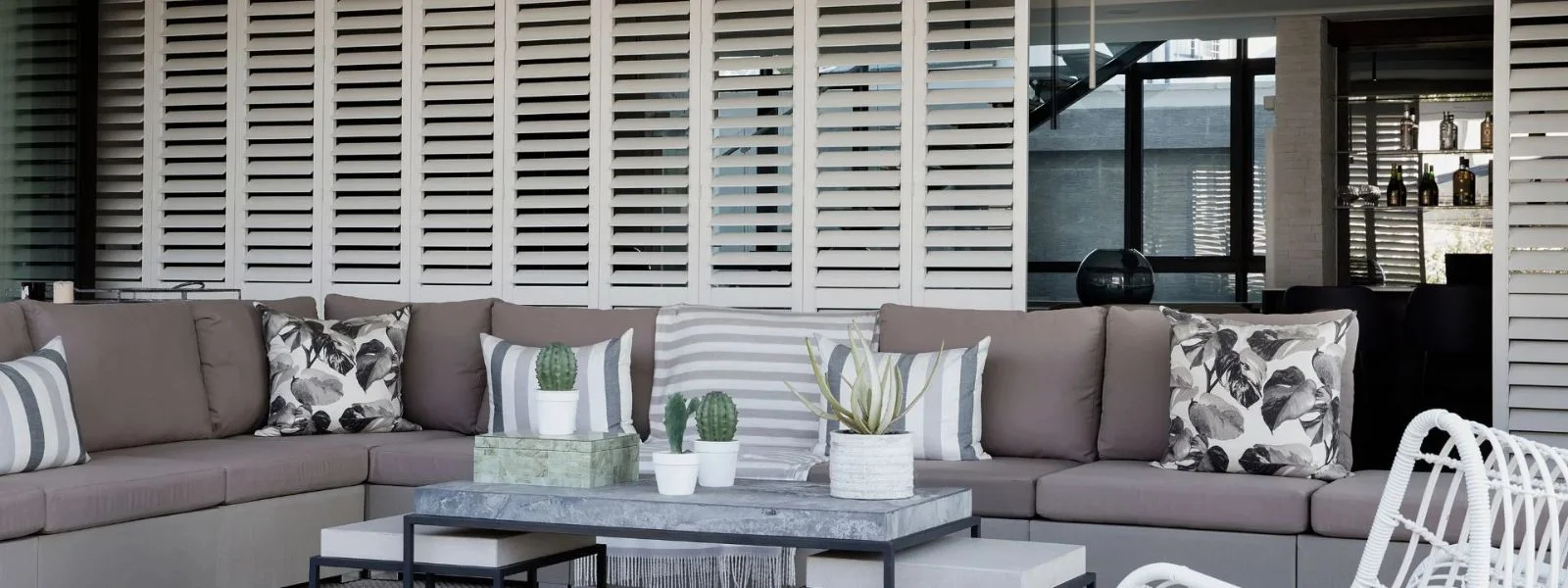


Selecting the right shutter material represents one of the most important decisions South African homeowners face when investing in window treatments that must withstand harsh climate conditions whilst providing years of reliable service. Each material option offers distinct advantages and limitations that affect performance, maintenance requirements, and long-term value in our unique environment. This comprehensive comparison examines aluminium, PVC, and timber shutters to help Gauteng homeowners make informed decisions that align with their specific needs, budget constraints, and aesthetic preferences whilst ensuring optimal performance in local conditions.
Aluminium: Sleek and Secure
Aluminium shutters have become increasingly popular in South African homes due to their exceptional combination of modern aesthetics, robust security features, and outstanding performance in challenging climate conditions. Understanding aluminium’s specific characteristics helps homeowners appreciate why this material often represents the optimal choice for contemporary properties requiring reliable, low-maintenance solutions.
Structural strength represents aluminium’s most significant advantage, with extruded profiles providing exceptional rigidity that maintains precise operation throughout years of daily use. The inherent strength of aluminium allows slimmer profile designs that maximise glass area whilst providing superior security compared to other materials. This strength-to-weight ratio makes aluminium ideal for large shutter installations where structural integrity is crucial for safe, reliable operation.
Weather resistance capabilities of aluminium shutters excel in South Africa’s variable climate conditions, with corrosion-resistant properties that prevent the deterioration common with other materials exposed to moisture, UV radiation, and temperature extremes. Quality powder coating finishes provide additional protection whilst offering extensive colour options that maintain their appearance throughout years of harsh sun exposure without fading or chalking.
Security benefits of aluminium shutters surpass other material options through their substantial construction and resistance to forced entry attempts. The solid profile construction and robust mounting systems create formidable barriers that deter criminal activity whilst providing peace of mind for homeowners concerned about property security. Professional security installations can incorporate reinforced mounting and locking systems that provide exceptional protection levels.
Thermal performance of aluminium shutters benefits from their reflective properties that redirect solar radiation rather than absorbing heat that might transfer to interior spaces. Light-coloured aluminium finishes can reflect up to 95% of solar radiation, significantly reducing cooling loads during hot summer months. However, thermal bridge considerations require proper design to prevent conductive heat transfer through metal components.
Design versatility allows aluminium shutters to complement various architectural styles from contemporary minimalist designs to traditional heritage properties. The precision manufacturing possible with aluminium enables complex profiles and configurations that accommodate unusual window shapes and architectural features. Powder coating technology provides virtually unlimited colour options whilst maintaining durability and weather resistance.
Maintenance simplicity makes aluminium shutters attractive for busy homeowners who prefer low-maintenance solutions that preserve their appearance and functionality with minimal attention. Regular cleaning with mild detergent solutions maintains optimal appearance whilst periodic hardware lubrication ensures smooth operation. The non-porous surface of powder-coated aluminium resists staining and dirt accumulation that might require intensive cleaning procedures.
Longevity expectations for quality aluminium shutters typically exceed 25-30 years with minimal maintenance requirements, making them excellent long-term investments that provide consistent performance throughout their extended service lives. The corrosion resistance and structural stability of aluminium ensures shutters maintain their operational integrity whilst preserving property values through their continued functionality and appearance.
Cost considerations for aluminium shutters reflect their premium positioning in the market, with initial costs typically ranging from R3,500 to R7,000 per square metre depending on profile complexity and finish specifications. However, the extended service life and minimal maintenance requirements often provide superior value compared to materials requiring more frequent replacement or intensive maintenance procedures.
PVC: Moisture-Resistant and Budget-Friendly
PVC shutters offer compelling advantages for South African homeowners seeking reliable performance at accessible price points, particularly in applications where moisture resistance and low maintenance are priorities. Understanding PVC’s characteristics helps homeowners evaluate whether this material provides optimal solutions for their specific requirements and environmental conditions.
Moisture resistance represents PVC’s most significant advantage, with non-porous construction that prevents water absorption and the associated problems of swelling, warping, and rot that affect other materials. This moisture immunity makes PVC shutters ideal for bathroom applications, coastal properties exposed to salt spray, and areas with high humidity levels where other materials might deteriorate rapidly.
Cost effectiveness makes PVC shutters accessible to homeowners with budget constraints who still require quality window treatments that provide reliable performance and attractive appearance. Initial costs typically range from R2,000 to R4,500 per square metre, representing significant savings compared to premium materials whilst still providing substantial benefits over standard window treatments like curtains or basic blinds.
Insulation properties of cellular PVC construction provide excellent thermal performance through air pockets within the material structure that create effective insulation barriers. This cellular construction helps reduce heat transfer whilst providing sound dampening benefits that improve interior comfort. The insulation characteristics of PVC can exceed solid timber in many applications whilst maintaining lighter weight that reduces mounting loads.
Colour stability in quality PVC formulations ensures shutters maintain their appearance throughout years of UV exposure without the fading common with some materials. However, colour selection may be more limited compared to powder-coated aluminium options, and some PVC formulations may experience colour changes over extended exposure periods. Professional-grade PVC with UV stabilizers provides better long-term colour retention.
Manufacturing precision enables PVC shutters to achieve tight tolerances and smooth operation whilst accommodating complex profiles that provide attractive appearances and reliable functionality. The molding processes used for PVC allow intricate detailing and consistent quality that ensures proper fit and operation throughout the shutter system’s service life.
Maintenance requirements for PVC shutters are minimal, with occasional cleaning using mild soap solutions sufficient to maintain optimal appearance and functionality. The smooth, non-porous surface resists dirt accumulation whilst preventing moisture-related maintenance issues that might affect other materials. However, care must be taken to avoid harsh cleaning chemicals that might damage PVC surfaces or finishes.
Environmental considerations include PVC’s recyclability at end of service life, though the environmental impact of PVC production remains a concern for environmentally conscious homeowners. Some manufacturers now offer eco-friendly PVC formulations that reduce environmental impact whilst maintaining performance characteristics that justify PVC selection for specific applications.
Durability expectations for quality PVC shutters typically range from 15-20 years in South African conditions, with performance dependent on UV exposure levels and quality of initial installation. Coastal applications may experience shorter service lives due to salt exposure, whilst protected interior applications can exceed typical expectations with proper care and maintenance.
Customization limitations may restrict PVC options compared to materials that accept secondary finishing, though modern PVC manufacturing provides reasonable colour and style options that meet most homeowner requirements. Complex architectural features may be better served by materials offering greater manufacturing flexibility and customization capabilities.
Timber: Elegant but High-Maintenance
Timber shutters provide unmatched natural beauty and traditional elegance that appeals to homeowners valuing classic aesthetics and premium appearance, though they require more maintenance attention and careful species selection to perform satisfactorily in South African conditions. Understanding timber’s characteristics helps homeowners evaluate whether the aesthetic benefits justify the additional care requirements.
Natural beauty of timber shutters creates warmth and character that synthetic materials cannot replicate, with grain patterns and natural variation providing unique appearances that enhance property values through their premium presentation. The organic appearance of timber complements both traditional and contemporary interior designs whilst creating sophisticated atmospheres that reflect quality and attention to detail.
Insulation properties of timber provide excellent thermal performance through wood’s cellular structure that creates natural insulation barriers whilst moderating interior temperatures through thermal mass effects. Quality hardwoods can provide superior insulation compared to synthetic alternatives whilst contributing to energy efficiency through their thermal characteristics and natural temperature moderation properties.
Species selection critically affects timber shutter performance in South African conditions, with some species providing excellent durability and weather resistance whilst others may prove unsuitable for exposed applications. Local hardwoods like Yellowwood and Stinkwood offer good performance characteristics, whilst imported species must be carefully evaluated for local climate compatibility and long-term durability expectations.
Treatment requirements for timber shutters include protective finishes and preservative treatments that prevent insect damage, moisture problems, and UV degradation that could compromise performance and appearance. Professional treatment with appropriate sealers, stains, and protective coatings provides essential protection whilst enhancing natural timber appearance through colour enhancement and grain highlighting.
Maintenance demands of timber shutters require regular attention to preserve their appearance and functionality, with annual inspection and refinishing typically necessary to maintain optimal condition. This maintenance includes cleaning, sanding, re-staining, and protective coating renewal that requires time and expertise to perform properly whilst potentially involving professional services for optimal results.
Climate sensitivity makes timber shutters vulnerable to South Africa’s variable weather conditions, with expansion and contraction cycles potentially affecting operation whilst UV exposure can cause fading and surface degradation. Moisture exposure can cause warping, splitting, and finish deterioration that compromises both appearance and functionality if not addressed promptly through proper maintenance procedures.
Security considerations may limit timber suitability for security applications where resistance to forced entry is important, as timber can be more vulnerable to cutting and breaking compared to metal alternatives. However, quality hardwood shutters with appropriate hardware can provide reasonable security whilst offering the aesthetic benefits that justify their selection for many applications.
Cost implications for timber shutters include both initial purchase costs ranging from R4,000 to R8,000 per square metre and ongoing maintenance expenses that must be considered in total cost calculations. The periodic refinishing requirements and potential for weather damage create ongoing expenses that may exceed the total cost of lower-maintenance alternatives over extended periods.
Customization capabilities of timber shutters allow extensive modification through cutting, shaping, and finishing techniques that accommodate complex architectural features whilst providing unique appearances that reflect individual preferences. This flexibility makes timber ideal for heritage restorations and custom applications where standard profiles cannot address specific requirements adequately.
Comparing Costs, Weight & Longevity
Understanding the comprehensive cost implications, physical characteristics, and service life expectations of different shutter materials enables informed decision-making that considers both immediate and long-term factors affecting total ownership value and satisfaction.
Initial cost comparisons show PVC shutters typically providing the most accessible entry point at R2,000 to R4,500 per square metre, followed by aluminium at R3,500 to R7,000 per square metre, and timber ranging from R4,000 to R8,000 per square metre depending on species and finish requirements. However, these initial costs represent only part of the total ownership equation that includes maintenance, replacement, and energy efficiency considerations.
Installation cost variations reflect the different mounting requirements and complexities associated with each material type. PVC shutters typically require standard mounting systems, whilst aluminium may need reinforced mounting due to security considerations, and timber requires careful handling and potentially specialised mounting to accommodate expansion characteristics. Professional installation costs generally range from R300 to R800 per square metre depending on complexity.
Long-term cost analysis reveals significant differences in total ownership expenses over typical service lives. PVC shutters with 15-20 year service lives provide good value through minimal maintenance requirements, whilst aluminium shutters with 25-30 year service lives offer excellent long-term value despite higher initial costs. Timber shutters may provide similar service lives but require substantial maintenance expenses that significantly affect total ownership costs.
Weight characteristics affect mounting requirements and operational ease, with PVC being lightest, followed by aluminium, and timber being heaviest. Lighter materials reduce mounting loads and simplify installation whilst heavier materials may provide better acoustic performance but require stronger mounting systems. Weight considerations become particularly important for large shutter installations or older buildings with limited structural capacity.
Structural load calculations ensure mounting systems can support material weights safely throughout their service lives whilst accommodating wind loads and operational stresses. Professional assessment determines appropriate mounting methods whilst identifying any structural modifications necessary for safe installation of different material options.
Operational longevity reflects how well materials maintain smooth, reliable function throughout their service lives. Aluminium typically provides the most consistent operation due to dimensional stability, whilst PVC offers good stability with potential for thermal expansion effects. Timber may experience operational changes due to seasonal movement that requires periodic adjustment to maintain optimal function.
Performance degradation patterns vary between materials, with aluminium maintaining consistent performance until component replacement becomes necessary, PVC potentially experiencing gradual UV-related changes, and timber requiring periodic maintenance to prevent performance deterioration. Understanding these patterns helps predict maintenance requirements and replacement timing.
Replacement value considerations include both removal costs and disposal issues that affect total replacement expenses. Aluminium and PVC shutters typically have recycling value that offsets disposal costs, whilst timber disposal may involve additional expenses. The ease of removal and replacement also varies between materials and affects future renovation or replacement projects.
Environmental Impact and Recyclability
Environmental consciousness increasingly influences homeowner decisions, making the ecological implications of different shutter materials important considerations that affect both immediate environmental impact and long-term sustainability goals.
Carbon footprint analysis reveals significant differences between materials in production energy requirements and transportation impacts. Aluminium production requires substantial energy input but the material’s recyclability creates closed-loop systems that reduce long-term environmental impact. PVC production involves petroleum-based processes with environmental concerns, though modern formulations reduce some impacts whilst improving recyclability characteristics.
Recyclability potential varies dramatically between materials, with aluminium offering infinite recyclability without performance degradation that makes it highly sustainable despite energy-intensive production. Modern PVC formulations increasingly support recycling programs that divert material from landfills whilst creating new products. Timber provides excellent environmental sustainability when sourced from certified sustainable forests that support responsible forestry practices.
Local sourcing opportunities reduce transportation impacts whilst supporting domestic economies and reducing overall environmental footprint. South African aluminium processing capabilities support local production, whilst some PVC manufacturing occurs domestically. Timber sourcing from local sustainable forests provides excellent environmental benefits whilst supporting conservation and responsible land management practices.
Manufacturing waste considerations affect overall environmental impact through production efficiency and waste stream management. Aluminium extrusion processes generate minimal waste whilst supporting recycling of production scraps. PVC manufacturing has improved waste management whilst timber processing creates opportunities for waste utilization in other products and energy generation.
End-of-life options determine long-term environmental impact through disposal or recycling possibilities that affect material selection decisions. Aluminium shutters retain substantial recycling value that often covers removal costs whilst contributing to circular economy principles. Quality timber can be repurposed for other applications whilst PVC increasingly supports recycling programs that prevent landfill disposal.
Sustainable forestry certification ensures timber shutters support responsible forest management practices that maintain ecosystem health whilst providing renewable material sources. Certification programs like FSC and PEFC guarantee timber sourcing meets environmental and social responsibility standards that support long-term forest conservation and community benefits.
Energy efficiency contributions affect environmental impact throughout service lives by reducing heating and cooling energy requirements that lower overall carbon footprint. All shutter materials provide insulation benefits that reduce energy consumption, though specific performance levels vary between options and affect total environmental impact calculations.
Life cycle assessment provides comprehensive environmental impact evaluation that considers all phases from raw material extraction through end-of-life disposal or recycling. Professional life cycle analysis helps environmentally conscious homeowners select materials that align with their sustainability goals whilst considering performance and cost requirements.

Frequently Asked Questions
Are timber shutters termite-proof?
No timber shutters are completely termite-proof, though proper species selection, professional treatment, and preventive maintenance can provide excellent protection against termite damage in most South African conditions. Hardwood species like Yellowwood, Stinkwood, and properly treated imported hardwoods offer natural resistance to termite attack whilst chemical treatments can enhance this protection significantly. Professional pressure treatment with appropriate preservatives creates barriers that deter termite attack whilst regular inspection allows early detection of any termite activity before significant damage occurs. However, no timber treatment provides absolute protection, particularly in areas with severe termite pressure where alternative materials might be more appropriate. Regular professional termite inspections and preventive treatment of surrounding structures help protect timber shutters whilst maintaining their aesthetic and functional benefits. Homeowners in high-risk termite areas should consider aluminium or PVC alternatives that provide complete termite immunity whilst still offering excellent performance and aesthetic appeal. Professional timber treatment specialists can assess specific termite risk levels whilst recommending appropriate protection strategies that balance aesthetic preferences with practical protection requirements. Quality timber shutters with proper treatment and maintenance typically provide excellent service lives even in moderate termite risk areas, though annual inspection and preventive maintenance become essential for long-term protection.
Can PVC shutters be painted?
While PVC shutters can theoretically be painted, the process requires specialised preparation and paint formulations that may not provide satisfactory long-term results compared to factory finishes, making colour selection during purchase more important than post-installation painting options. The non-porous surface of PVC requires aggressive surface preparation including sanding and specialised primers designed specifically for plastic substrates to achieve adequate paint adhesion. Even with proper preparation, painted PVC surfaces may experience adhesion problems, particularly with thermal expansion and contraction that can cause paint cracking and peeling over time. Professional painting services familiar with PVC requirements can achieve reasonable results, though costs often approach new shutter pricing whilst warranty coverage may be compromised. Factory colour options in quality PVC shutters typically provide better durability and appearance retention compared to field-applied paint systems, making initial colour selection crucial for long-term satisfaction. Some manufacturers offer colour-matching services that provide factory finishing in custom colours that maintain warranty coverage whilst delivering superior durability compared to field painting. Homeowners considering colour changes should evaluate replacement costs versus painting expenses whilst considering performance and warranty implications. Professional consultation can assess specific painting feasibility whilst recommending alternatives that might provide better long-term value and satisfaction than attempting to paint existing PVC shutters.
Which material works best in coastal areas?
For coastal applications where salt spray, high humidity, and UV exposure create challenging conditions, aluminium shutters typically provide the best combination of corrosion resistance, durability, and low maintenance requirements that address marine environment challenges effectively. Marine-grade aluminium alloys with appropriate powder coating finishes resist salt corrosion whilst maintaining structural integrity and operational reliability throughout years of coastal exposure. The non-porous surface of powder-coated aluminium prevents salt accumulation whilst regular fresh water rinsing removes salt deposits that might cause corrosion problems over time. PVC shutters offer excellent moisture resistance and salt immunity that make them suitable for coastal applications, though UV exposure may cause colour changes over extended periods whilst some PVC formulations may become brittle under intense coastal sun exposure. Quality UV-stabilized PVC formulations designed specifically for marine applications can provide excellent coastal performance at lower costs than aluminium alternatives. Timber shutters generally perform poorly in coastal conditions due to salt exposure, high humidity, and UV radiation that accelerate deterioration despite protective treatments, making them unsuitable for direct coastal exposure applications. Professional coastal installation includes additional corrosion protection measures, drainage considerations, and maintenance procedures that ensure optimal performance whilst protecting investment value in challenging marine environments. Regular maintenance becomes more critical in coastal applications, with quarterly fresh water washing recommended for all materials to remove salt accumulation that might cause long-term damage.
How do materials compare for sound reduction?
Sound reduction capabilities vary significantly between shutter materials based on mass density, structural characteristics, and installation methods that affect acoustic performance in different applications and noise environments. Timber shutters typically provide the best acoustic performance due to their high mass density and natural sound-absorbing characteristics that interrupt sound transmission whilst reducing reverberation within rooms. Solid hardwood shutters can achieve 8-12 decibel noise reduction when properly installed with appropriate sealing systems that prevent sound flanking around shutter edges. Aluminium shutters offer moderate acoustic performance through their structural rigidity and mass, typically achieving 5-8 decibel noise reduction whilst providing excellent sealing capabilities that prevent air-borne sound transmission when properly installed with weatherstripping systems. The reflective properties of aluminium can create acoustic issues in some applications, though this characteristic can be beneficial for preventing external noise transmission into interior spaces. PVC shutters provide reasonable acoustic performance through their cellular construction and moderate mass density, typically achieving 4-7 decibel noise reduction whilst offering good sealing characteristics that support acoustic performance. However, the lightweight nature of PVC may limit acoustic performance compared to denser materials in demanding noise control applications. Professional acoustic consultation can evaluate specific noise sources and recommend optimal material selection whilst considering installation techniques that maximise sound reduction benefits. Acoustic performance optimization requires proper sealing, appropriate mounting systems, and sometimes additional acoustic treatments that complement shutter noise reduction capabilities for comprehensive acoustic comfort.
What warranty coverage should I expect?
Warranty coverage varies significantly between materials and manufacturers, with aluminium shutters typically offering the most comprehensive protection through 10-25 year structural warranties and 5-10 year finish warranties that reflect manufacturer confidence in long-term performance. Quality aluminium manufacturers provide separate coverage for structural components, hardware, and finish systems whilst including professional installation warranties that cover workmanship defects and mounting system integrity. PVC shutter warranties typically range from 5-15 years covering manufacturing defects and structural integrity, though UV-related colour changes may have limited coverage periods that reflect the challenges of maintaining colour stability in harsh UV environments. Professional installation warranties usually provide 1-2 years of workmanship coverage whilst manufacturer warranties cover material defects that affect functionality or structural integrity throughout specified periods. Timber shutter warranties typically provide 2-7 years coverage for manufacturing defects whilst excluding damage from moisture, insects, or inadequate maintenance that reflects the higher maintenance requirements of natural materials. Professional treatment and finishing may extend warranty coverage whilst certified installers often provide enhanced warranty terms that support long-term performance and customer satisfaction. Warranty exclusions typically include damage from severe weather, accidents, misuse, or lack of proper maintenance, making homeowner care essential for maintaining warranty coverage throughout specified periods. Professional service networks support warranty claims whilst providing ongoing maintenance services that preserve warranty coverage and system performance throughout extended service periods. Understanding specific warranty terms and requirements ensures homeowners receive maximum protection for their shutter investments whilst maintaining access to professional support that preserves long-term value and satisfaction.
Conclusion
The choice between aluminium, PVC, and timber shutters depends on balancing performance requirements, maintenance preferences, budget constraints, and aesthetic goals whilst considering South African climate challenges and long-term value expectations. Each material offers distinct advantages that make it optimal for specific applications and homeowner priorities.
Aluminium shutters provide the best combination of security, durability, and low maintenance for homeowners prioritising long-term performance and contemporary aesthetics. Their superior weather resistance and structural strength make them excellent investments for security-conscious homeowners and challenging environmental conditions.
PVC shutters offer excellent value for moisture-prone applications and budget-conscious homeowners who require reliable performance without premium investment. Their moisture immunity and reasonable durability make them practical choices for bathrooms, coastal areas, and rental properties where maintenance simplicity is important.
Timber shutters deliver unmatched natural beauty and traditional elegance for homeowners who value classic aesthetics and are willing to invest in ongoing maintenance to preserve their premium appearance. Their insulation properties and customization capabilities make them ideal for heritage properties and applications where aesthetics take priority over convenience.
Professional consultation ensures material selection aligns with specific requirements whilst considering installation challenges, maintenance capabilities, and long-term performance expectations that affect overall satisfaction and value realization.
The investment in quality shutters of any material provides substantial benefits through improved comfort, energy efficiency, security, and property values that justify careful material selection based on individual priorities and circumstances.
For more information about Shutters and Blinds services at American Shutters and Security, check them out below: